Lifestyle Tweaks for Maximizing Healthspan Through Nutrition
14 February 2026 · By Fresh.mu · Updated 16 June 2026

Introduction
In recent years, the concept of healthspan, the period of life spent in good health, free from the chronic diseases that typically accompany aging, has gained attention. While lifespan is about adding years to your life, healthspan is about adding life to your years. An increasingly popular approach to maximizing healthspan involves making strategic lifestyle adjustments, particularly in the realm of nutrition. In this blog post, we'll explore practical and evidence-based dietary tweaks that can help you achieve a longer, healthier life.
The Role of Nutrition in Healthspan
Nutrition plays a pivotal role in determining health outcomes as we age. The foods we consume not only fuel our bodies but also influence how well our systems function over time. A balanced diet can help reduce inflammation, improve metabolic health, and prevent chronic diseases, all of which contribute to a longer healthspan.
Emphasizing Whole Foods
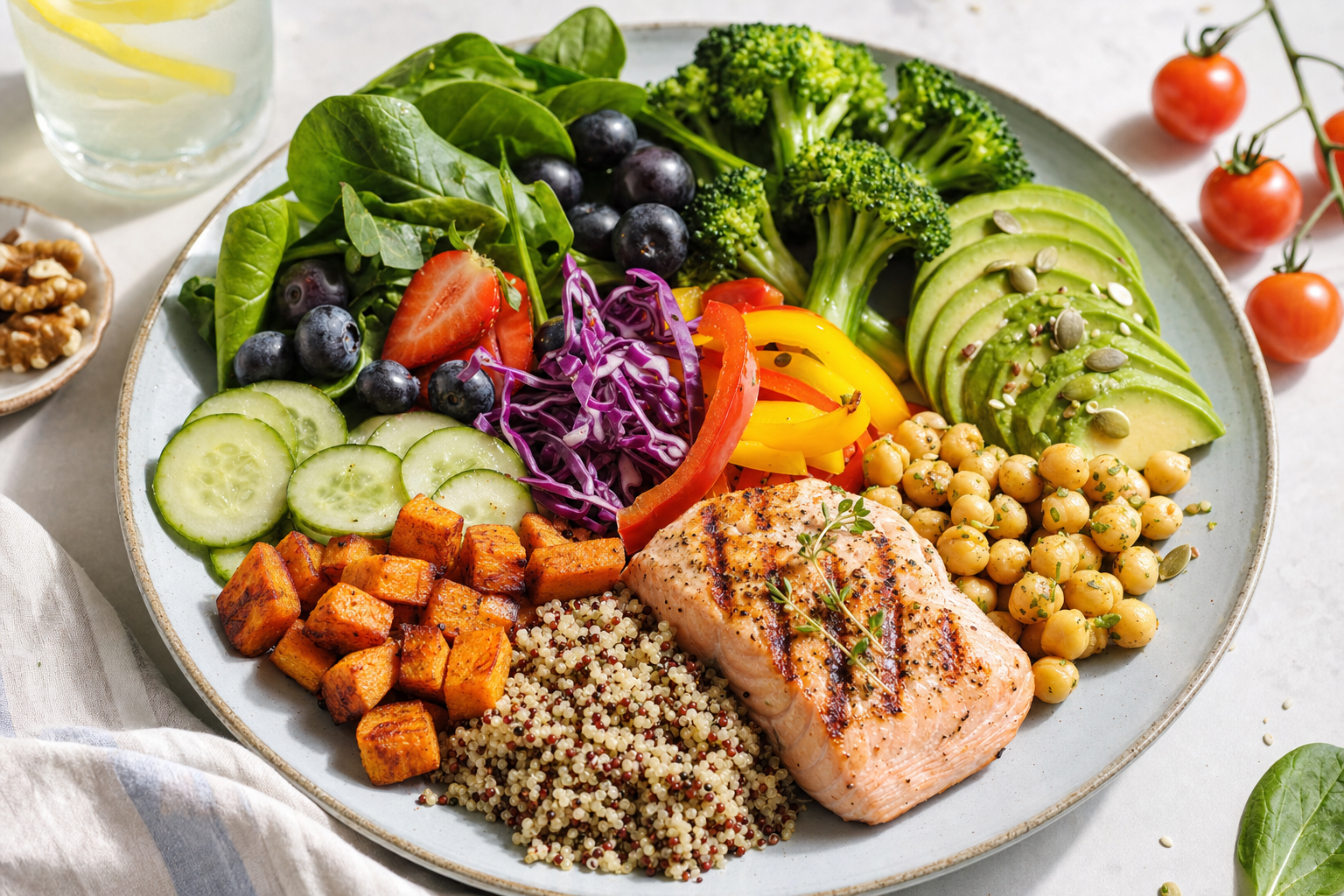
Whole foods are rich in essential nutrients, fiber, and antioxidants, all of which are crucial for maintaining health. A diet high in fruits, vegetables, whole grains, nuts, and seeds provides a wide range of vitamins and minerals that support bodily functions and protect against cellular damage. Studies have consistently shown that diets emphasizing whole foods are associated with a decreased risk of chronic diseases and improved longevity.
The Power of Plant-Based Eating
Plant-based diets have been linked to numerous health benefits, including reduced risk of heart disease, obesity, and certain cancers. By focusing on plant-based foods, you're likely to consume fewer calories and saturated fats while increasing your intake of fiber and phytonutrients. Research published in "The Journal of Nutrition" highlights the longevity benefits of plant-based diets, attributing them to the reduction of inflammation and oxidative stress.
Smart Caloric Intake
While the quality of food is paramount, the quantity also matters. Caloric restriction, without malnutrition, has been shown to extend lifespan in various organisms. While the same effects in humans are still under investigation, adopting a mindful approach to calorie consumption can promote metabolic health.
Intermittent Fasting
Intermittent fasting (IF) has gained popularity as a strategy for improving healthspan. By cycling between periods of eating and fasting, IF can enhance metabolic health, improve insulin sensitivity, and reduce inflammation. A study in "Cell Metabolism" found that intermittent fasting can mimic the benefits of caloric restriction, potentially contributing to a longer healthspan.
Nutrient Timing and Balance
Balancing macronutrients, proteins, fats, and carbohydrates, is essential for overall health. However, research suggests that when and how these nutrients are consumed can also impact healthspan.
Protein Quality and Distribution
Protein is vital for maintaining muscle mass, especially as we age. Consuming high-quality protein, such as from lean meats, fish, legumes, and dairy, is crucial. Distributing protein intake evenly across meals rather than loading it at dinner can optimize muscle protein synthesis, according to a study published in "The American Journal of Clinical Nutrition."
Healthy Fat Choices
Incorporating healthy fats, like those found in avocados, olive oil, and fatty fish, supports brain health and reduces inflammation. Omega-3 fatty acids, in particular, have been associated with reduced risk of heart disease and improved cognitive function.
Monitoring and Adaptation
Personalized nutrition and regular health monitoring can further enhance your efforts to maximize healthspan. Devices that track metabolic health, such as those available from Healthspan.mu, can provide insights into how your body responds to dietary changes, allowing for more tailored nutritional strategies.
Conclusion
Maximizing healthspan through nutrition involves a combination of whole foods, mindful eating practices, and balanced nutrient intake. By adopting a plant-based diet, practicing intermittent fasting, and monitoring your health metrics, you can make significant strides toward a longer, healthier life. Remember, small, consistent lifestyle tweaks can lead to substantial improvements in your healthspan. Embrace these changes today and invest in a future filled with vitality and well-being.
Good nutrition is the foundation of a longer, healthier life. Explore the wider Healthspan health ecosystem.