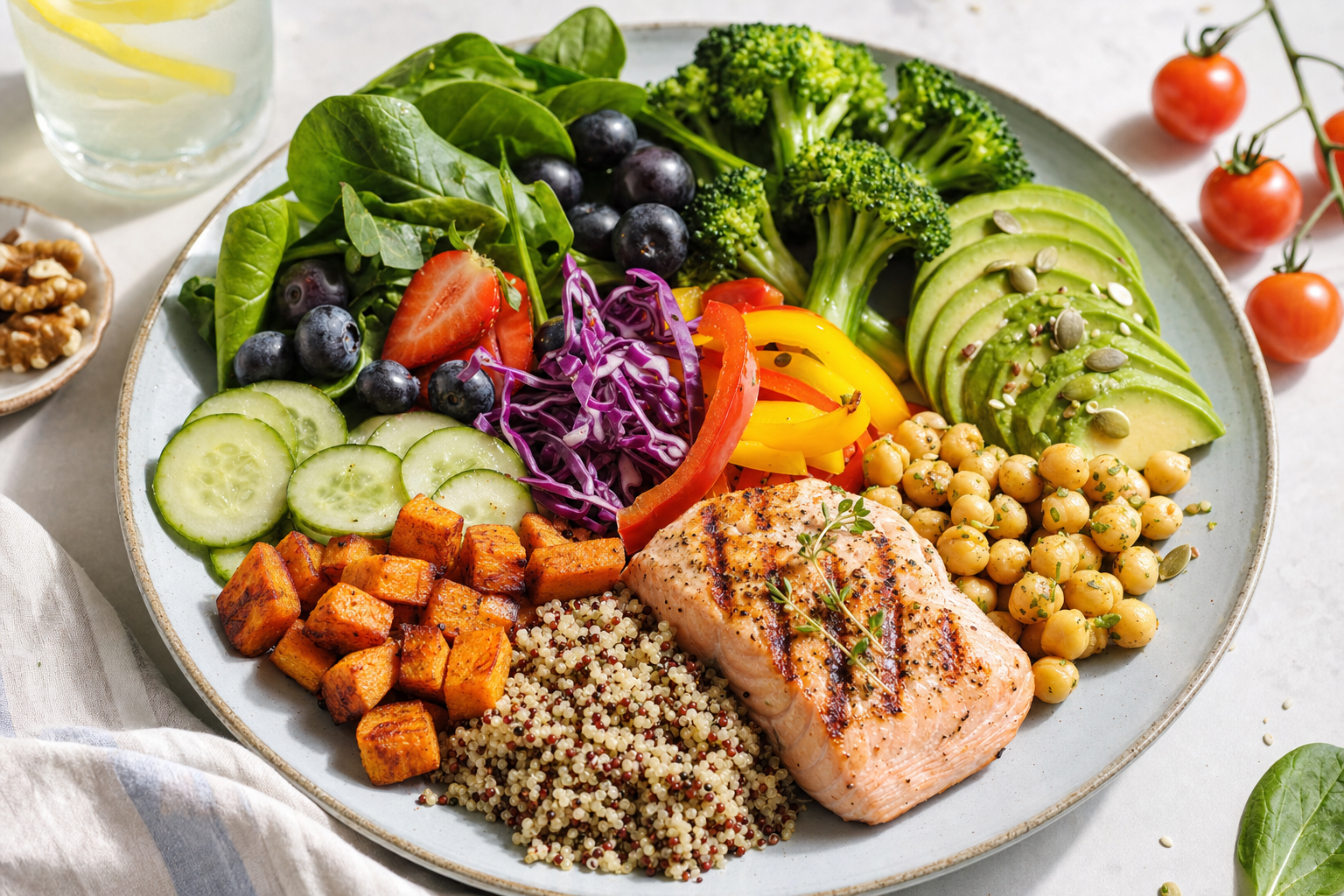
Diet Strategies for a Healthy Gut Microbiome and Enhanced Longevity
14 February 2026 · By Fresh.mu
Introduction
In the pursuit of longevity and optimal healthspan, the gut microbiome has emerged as a critical player. This complex community of trillions of microorganisms residing in our intestines influences everything from digestion to immune function. Emerging studies suggest that a balanced gut microbiome may hold the key to living not just longer, but healthier lives. In this post, we'll explore diet strategies that support a healthy gut microbiome, potentially enhancing both your well-being and longevity.
Understanding the Gut Microbiome
The gut microbiome consists of bacteria, viruses, fungi, and other microorganisms. Each plays a role in maintaining our health. These microbes help break down food, produce essential nutrients, and protect against harmful pathogens. A balanced microbiome is associated with reduced inflammation, improved metabolic health, and even better mental well-being.
Research indicates that a diverse microbiome is linked to increased longevity. A 2019 study published in the journal Nature found that centenarians had a distinctive microbial composition that contributed to a robust immune system and reduced inflammation. This suggests that nurturing our gut health can be a cornerstone of a long and healthy life.
Diet Strategies for a Healthy Gut
1. Increase Fiber Intake
Dietary fiber is the primary fuel source for beneficial gut bacteria. It promotes the growth of bacteria that produce short-chain fatty acids (SCFAs), which have anti-inflammatory properties and can enhance gut barrier function.
Sources of Fiber:
- Whole grains like oats and barley
- Legumes such as beans and lentils
- Fruits like apples and berries
- Vegetables, especially leafy greens and cruciferous varieties
2. Embrace Fermented Foods
Fermented foods are rich in probiotics, which can enhance the diversity of gut bacteria. Regular consumption of these foods can help balance the gut microbiome and improve digestion.
Examples of Fermented Foods:
- Yogurt with live cultures
- Kefir, a fermented milk drink
- Sauerkraut and kimchi
- Kombucha tea
3. Limit Processed Foods and Sugars
Highly processed foods and sugars can disrupt the balance of your gut microbiome, favoring the growth of harmful bacteria. A diet high in refined sugars and processed foods has been linked to increased inflammation and metabolic issues.
Tips to Cut Down:
- Choose whole, unprocessed foods
- Opt for natural sweeteners like honey or maple syrup
- Avoid sugary drinks and snacks
4. Include Prebiotic Foods
Prebiotics are non-digestible fibers that feed beneficial gut bacteria. Including prebiotic foods in your diet can enhance the growth and activity of healthy microbes.
Prebiotic-Rich Foods:
- Garlic and onions
- Asparagus and leeks
- Bananas
- Jerusalem artichokes
5. Ensure Adequate Protein Intake
While fiber and fermented foods are crucial, don't neglect protein. Adequate protein intake supports the repair and maintenance of gut lining cells. However, balance is key, so opt for plant-based proteins and lean meats to avoid excessive saturated fats.
Protein Sources:
- Beans and lentils
- Fish and poultry
- Nuts and seeds
The Role of Health Monitoring
Monitoring your gut health and overall metabolic status can provide insights into how your diet is affecting your microbiome. Services like Healthspan.mu offer tools and devices that track metabolic health, enabling you to make informed dietary choices that support a healthy gut and promote longevity.
Conclusion
A healthy gut microbiome is a cornerstone of longevity and overall well-being. By adopting a diet rich in fiber, fermented foods, and prebiotics while limiting processed foods and sugars, you can foster a diverse and balanced microbial community in your gut. This, in turn, can reduce inflammation, improve metabolic health, and potentially extend your healthspan.
Remember, while diet is a powerful tool for gut health, it's also essential to consider other factors such as stress management, exercise, and sleep, which also impact the microbiome. By taking a holistic approach, you can nurture your gut and pave the way for a long, healthy life.
Good nutrition is the foundation of a longer, healthier life. Explore the wider Healthspan health ecosystem.