
Why ultra-processed foods deserve attention
Ultra-processed foods, often called UPFs, are industrially formulated products made with ingredients you would not typically use in a home kitchen, such as refined starches, modified oils, flavorings, emulsifiers, sweeteners, and additives. They are designed to be convenient, highly palatable, and shelf-stable. Think packaged snacks, sugary cereals, soft drinks, instant noodles, reconstituted meat products, and many ready-to-eat meals.
The concern is not that every processed food is harmful. Canned beans, plain yogurt, frozen vegetables, tinned fish, and wholegrain bread can be processed and still be nutritious. The issue is that diets high in ultra-processed foods tend to crowd out foods that support long-term health, such as legumes, vegetables, fruit, whole grains, nuts, seeds, eggs, fish, and minimally processed dairy.
A growing body of research links higher UPF intake with poorer cardiometabolic health, including weight gain, type 2 diabetes, and cardiovascular risk. Observational studies cannot prove every detail of cause and effect, but the overall pattern is strong enough to justify practical action, especially if you are trying to protect healthspan.
What counts as ultra-processed?
A quick rule of thumb is this, if a product has a long ingredient list and contains ingredients you would not use in home cooking, it is likely ultra-processed. Common signs include added flavors, colorings, stabilizers, emulsifiers, hydrogenated fats, multiple sweeteners, and refined starches.
Examples include:
- Soft drinks and energy drinks
- Packaged cakes, biscuits, and sweets
- Many breakfast cereals marketed to children and adults
- Instant soups and instant noodles
- Processed meats like sausages, nuggets, and some deli meats
- Flavored yogurts with lots of added sugar
- Mass-produced pastries and snack bars
- Many frozen ready meals
A useful caution, the packaging alone does not tell the full story. Some products look healthy on the front but are still heavily formulated. A protein bar, smoothie drink, or low-fat flavored yogurt can still be ultra-processed if it relies on a lot of additives and sweeteners.
Why UPFs can make healthy eating harder
There are several reasons ultra-processed foods may undermine health over time.
First, they are often energy dense and easy to overeat. Soft textures, low fiber, and aggressive flavor design make it easier to consume more calories before feeling full.
Second, they tend to be low in fiber and less filling per calorie than whole foods. Fiber slows digestion, supports the gut microbiome, and helps with appetite control.
Third, they often displace nutrient-rich foods. If snacks, drinks, and convenience meals fill most of the plate, there is less room for vegetables, beans, fruit, fish, and whole grains.
Fourth, they can encourage a less mindful eating pattern. Highly convenient foods often get consumed quickly, while distracted, and in larger portions.
This does not mean convenience food must disappear from your life. It means that the balance matters. The goal is not perfection, it is shifting the center of gravity of your diet toward foods that are closer to their original form.
How to identify them at the supermarket
The most reliable strategy is to read the ingredient list, not just the nutrition panel.
Look out for products that contain:
- Many ingredients, especially 10 or more
- Ingredients you would not stock at home
- Added sugars in several forms, such as glucose syrup, dextrose, maltodextrin, or inverted sugar
- Added fats or oils combined with starches and flavorings
- Additives that improve texture, color, or shelf life
A simpler product usually has fewer ingredients. For example, plain oats, natural yogurt, eggs, frozen peas, brown rice, dried lentils, tuna in water, and plain peanut butter are straightforward choices.
When comparing products, ask three questions:
- Can I recognize all the ingredients?
- Could I make something similar at home?
- Does this item mostly preserve the original food, or does it mostly rebuild it?
If the answer points toward reconstruction rather than preservation, it is probably ultra-processed.
Practical swaps that actually work
The best changes are realistic. Start with the foods you use most often.
Try these swaps:
- Sugary breakfast cereal, replace with oats, plain yogurt, fruit, and nuts
- Packaged snacks, replace with fruit, roasted peanuts, boiled eggs, or hummus with carrots
- Soft drinks, replace with sparkling water, plain water, or water with citrus
- Instant noodles, replace with rice or wholegrain noodles plus eggs, vegetables, and tinned fish
- Processed meat sandwiches, replace with tuna, egg, chicken, or bean fillings
- Flavored yogurt, replace with plain yogurt and add fruit or cinnamon
- Sweet biscuits, replace with nuts, fruit, or a small portion of dark chocolate after meals
You do not need to eliminate every packaged product. A better target is to reduce the frequency and portion size of foods that are engineered to be easy to overconsume.
A realistic Mauritius-friendly approach
In Mauritius, convenience food is part of modern life, especially for busy families, shift workers, and people commuting long hours. The answer is not guilt, it is planning.
A few practical anchors can make a big difference:
- Keep a base of simple staples at home, such as eggs, oats, brown rice, lentils, tinned sardines or tuna, frozen vegetables, fruit, and plain yogurt
- Use batch cooking for one or two meals a week, for example dhal, bean curry, grilled fish, or chicken with vegetables
- Build snacks around protein and fiber, not just refined carbs
- If buying ready meals, choose options with shorter ingredient lists and add a side of salad or vegetables
- Check beverages, because sugar intake often comes from drinks rather than food
For families, the easiest win is usually breakfast and snacks. These two eating moments can quietly contribute a large share of UPF intake.
What to focus on instead
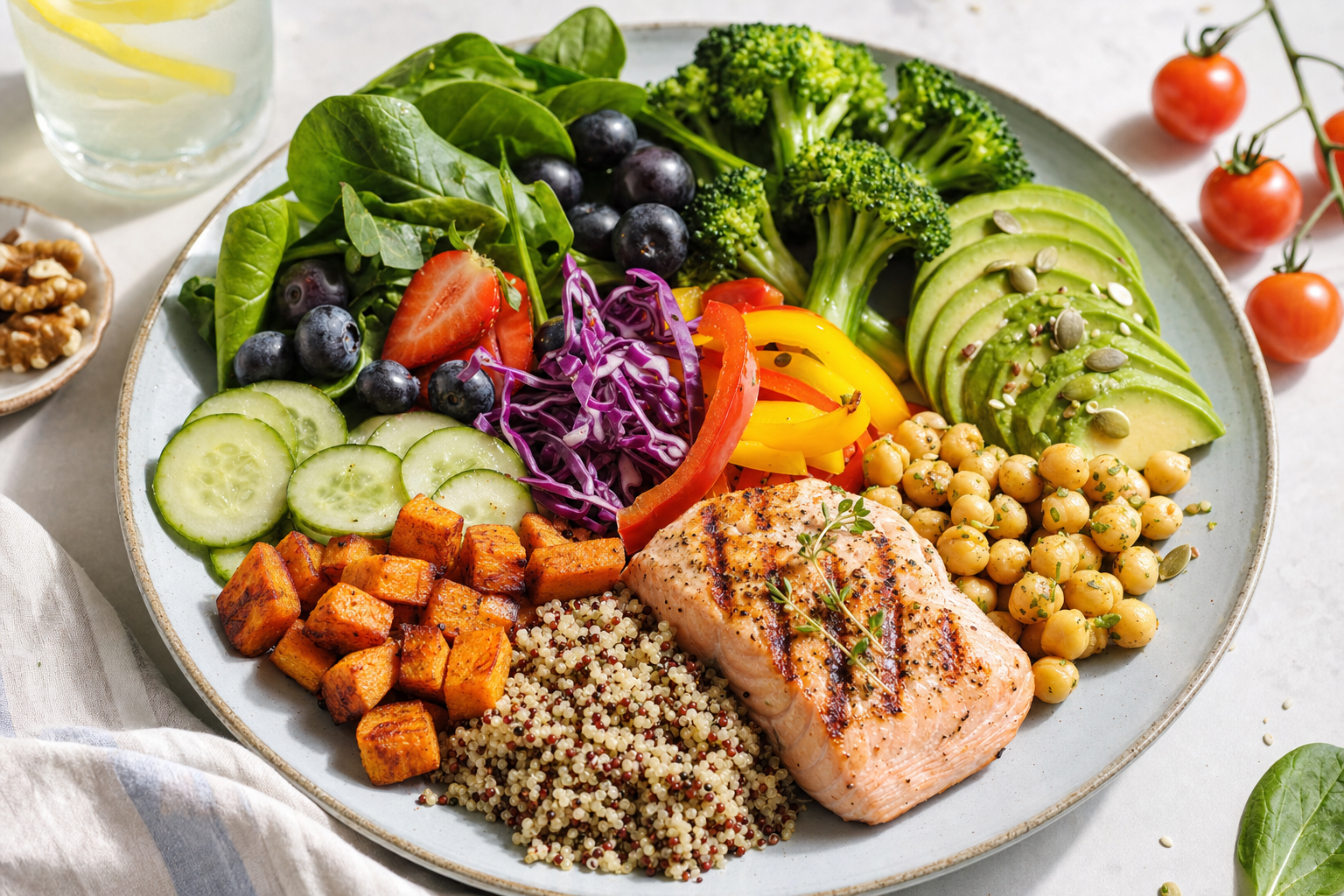
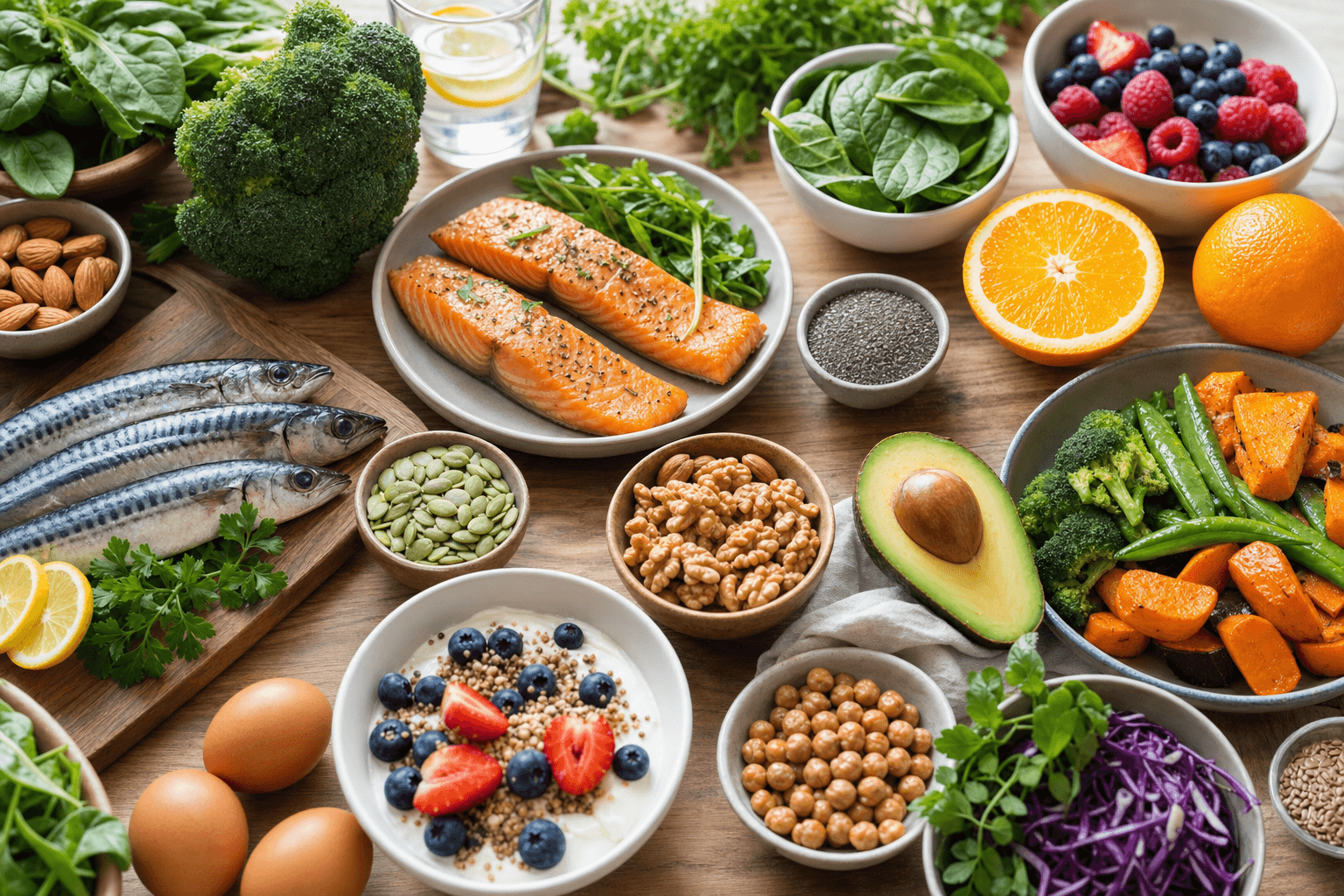
It helps to think in terms of food quality, not just food avoidance. Aim to eat more of the following:
- Vegetables, especially a variety of colors
- Fruit, whole rather than juice
- Beans, lentils, chickpeas, and other legumes
- Whole grains, such as oats, brown rice, and wholewheat bread with a short ingredient list
- Nuts and seeds in modest portions
- Fish, eggs, poultry, and minimally processed dairy if you eat them
- Herbs, spices, garlic, onion, ginger, and lemon for flavor without relying on sauces and powders
These foods are naturally richer in fiber, protein, and micronutrients, and they support steadier energy and better appetite regulation.
A practical conclusion
Ultra-processed foods are not a moral failure, they are a feature of modern food environments. The healthiest response is not all-or-nothing thinking, but gradual improvement. If you reduce sugary drinks, choose simpler breakfasts, keep a few whole-food snacks on hand, and make most meals from basic ingredients, your diet can improve quickly without becoming complicated.
A good first step is to pick one ultra-processed food you eat often and replace it with a simpler version this week. Small, repeated swaps are what create durable change, and durable change is what protects healthspan.
Good nutrition is the foundation of a longer, healthier life. Explore the wider Healthspan health ecosystem.