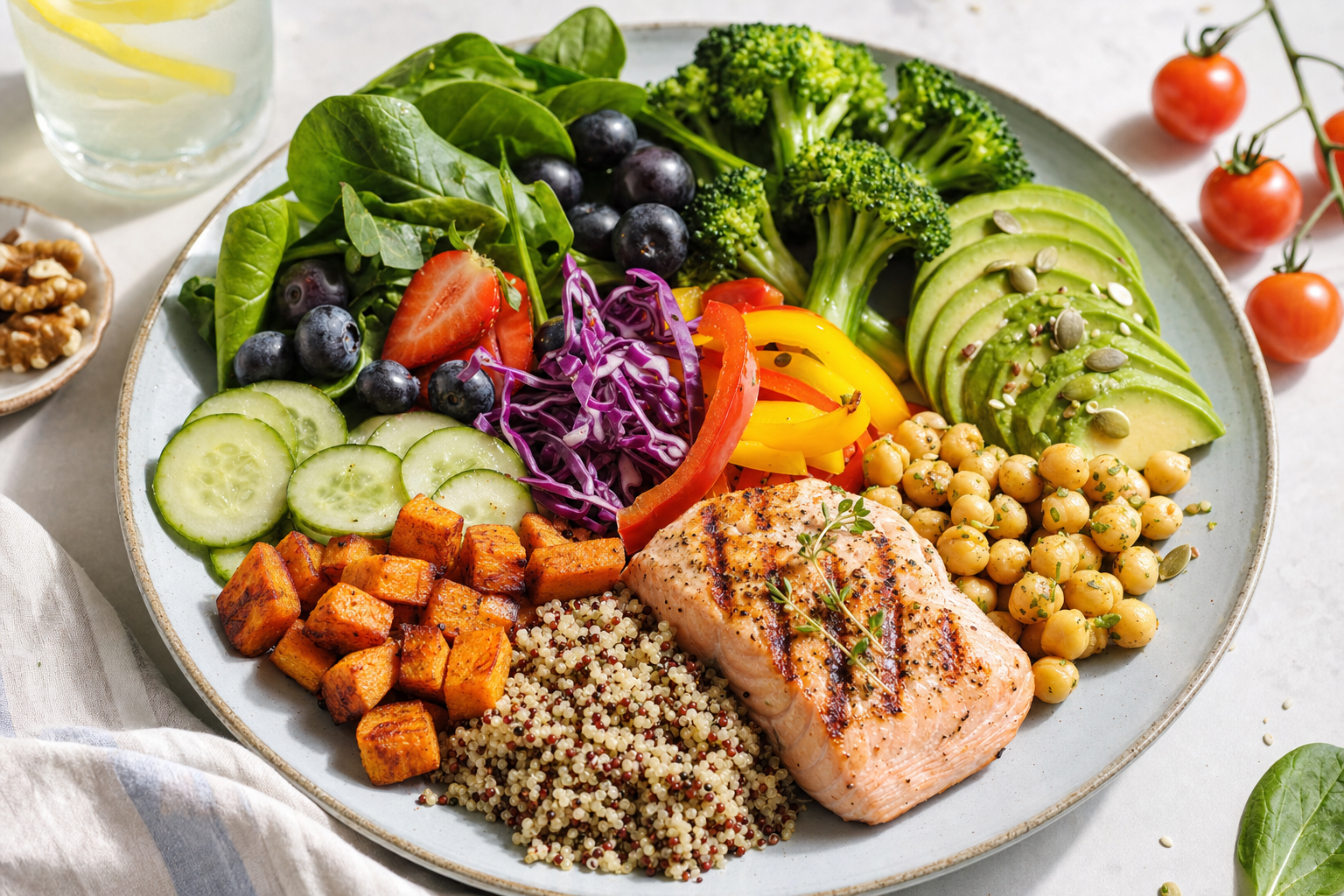
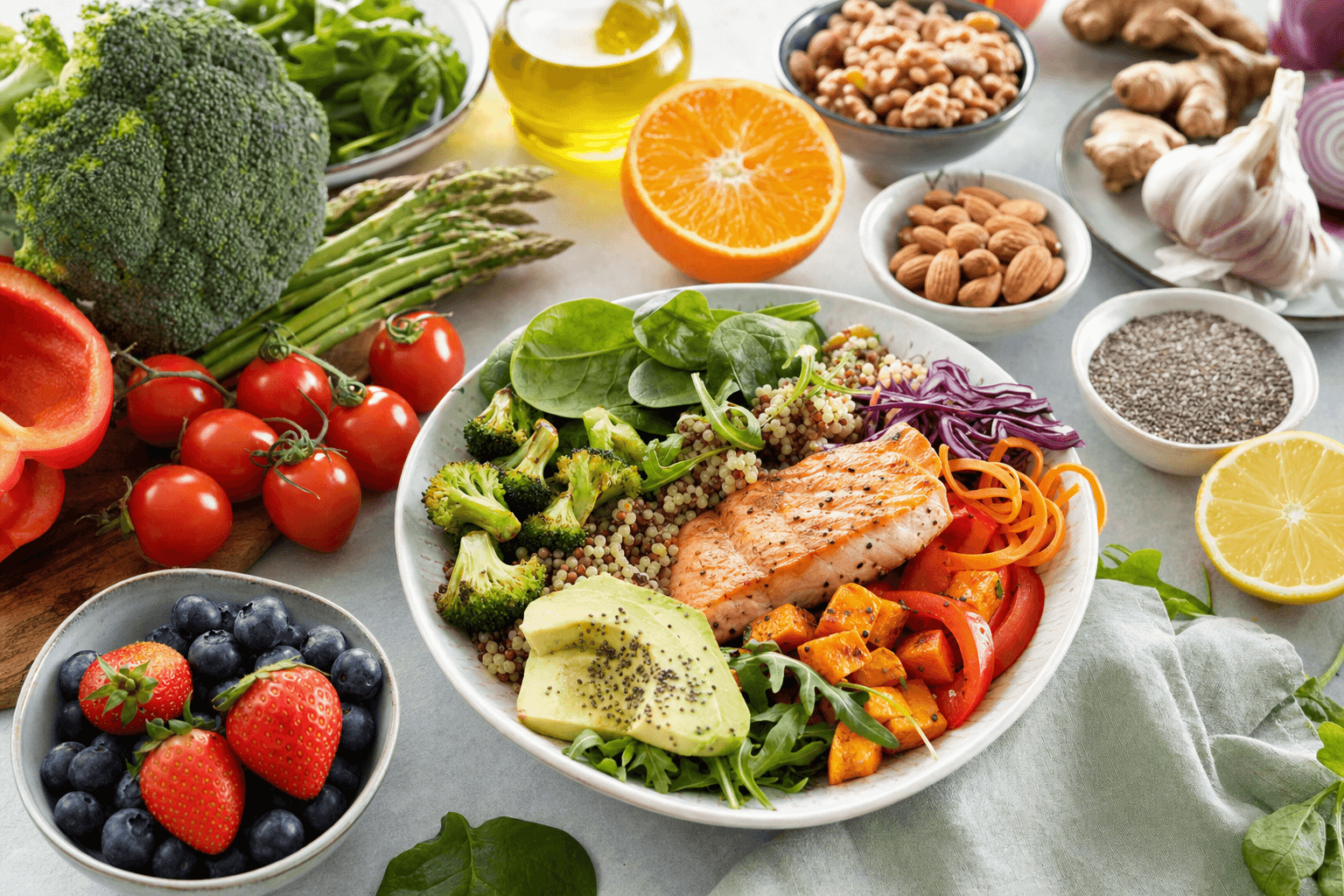
Vitamin D, Omega-3 and Magnesium: The Longevity Micronutrients
12 June 2026 · By Fresh.mu
Most conversations about eating for a long, healthy life focus on the big patterns: what you eat, when you eat, how much. Those patterns matter enormously. But three specific micronutrients keep surfacing in the longevity research because so many people quietly run short of them, and because the shortfall touches the systems that age first: bones, muscle, heart and brain. Vitamin D, the long-chain omega-3 fats, and magnesium are not magic. They are the unglamorous foundations that let the rest of a good diet do its work.
Vitamin D: the sunshine nutrient you can still lack in the tropics
It seems almost absurd that anyone in Mauritius could be short of vitamin D. We sit near the Tropic of Capricorn with strong sun most of the year. Yet deficiency is common here, for understandable reasons. Air conditioning and indoor work keep many of us out of the midday sun. Sensible sun protection, modest dress, and darker skin tones (which need longer exposure to make the same vitamin D) all reduce production. Older adults make far less vitamin D in the skin than they did at twenty.
Why it matters for ageing: vitamin D regulates calcium and bone strength, which protects against the fractures that so often mark the start of decline in later life. It also supports muscle function, immune balance, and has been linked in large studies to lower risk of falls in older people. The benefits are clearest in those who start out deficient, so the goal is correcting a shortfall rather than chasing ever-higher levels.
How to get enough: a sensible approach is short, regular sun exposure to arms and legs in the early morning or late afternoon, when the burn risk is lower. Food sources are limited but useful: oily fish, egg yolks, and fortified products. Many Mauritians, especially older adults and those who are mostly indoors, benefit from a supplement of around 800 to 2000 IU per day. If you suspect a longstanding deficiency, ask your doctor for a blood test (25-hydroxyvitamin D) before taking high doses, since more is not better.
Omega-3 fats: the membranes your brain and heart are built from
The long-chain omega-3 fats EPA and DHA are structural components of every cell membrane, and they are especially concentrated in the brain and the retina. They influence inflammation, blood vessel flexibility and heart rhythm. Diets richer in oily fish are consistently associated with lower cardiovascular mortality, and emerging evidence links higher omega-3 status to slower cognitive ageing.
Most of us get plenty of the short-chain plant omega-3 (ALA, found in some seeds) but very little of the EPA and DHA that the body actually uses, because the conversion from ALA is inefficient. That is the gap worth closing.
Who is at risk: people who rarely eat fish, those relying mainly on land-animal fats and refined oils, and anyone eating a largely processed diet heavy in omega-6 vegetable oils, which crowds out the omega-3 balance.
How to get enough: Mauritius has a real advantage here. Fresh local fish such as tuna, sardines, mackerel and other oily species are excellent sources. Aiming for two to three servings of fish per week, with at least one or two being oily fish, covers most people's needs. For those who do not eat fish, an algae-based DHA and EPA supplement is a genuinely good alternative, since algae are where fish get their omega-3 in the first place.
Magnesium: the quiet workhorse
Magnesium is a cofactor in hundreds of enzyme reactions, including those that produce cellular energy, repair DNA, regulate blood sugar and keep blood pressure steady. It is one of the most commonly underconsumed minerals worldwide, largely because modern refined diets strip it out. Low magnesium has been associated with higher risk of type 2 diabetes, hypertension and poor sleep, all of which compound over a lifetime.
Who is at risk: people eating mostly refined grains, white rice and processed foods rather than whole grains, legumes, nuts and leafy greens. Heavy alcohol use, some medications (including certain diuretics and long-term acid-reducing drugs) and ageing all lower magnesium status.
How to get enough: food first, and the foods are familiar in Mauritian kitchens. Lentils and dholl, dried beans, leafy greens like brèdes, nuts, seeds, and whole grains are all rich sources. Swapping some white rice for brown rice or adding a daily handful of nuts makes a measurable difference. If a supplement is needed, gentler forms such as magnesium citrate or glycinate are well tolerated; avoid very high doses, which can cause loose stools.
Bringing it together
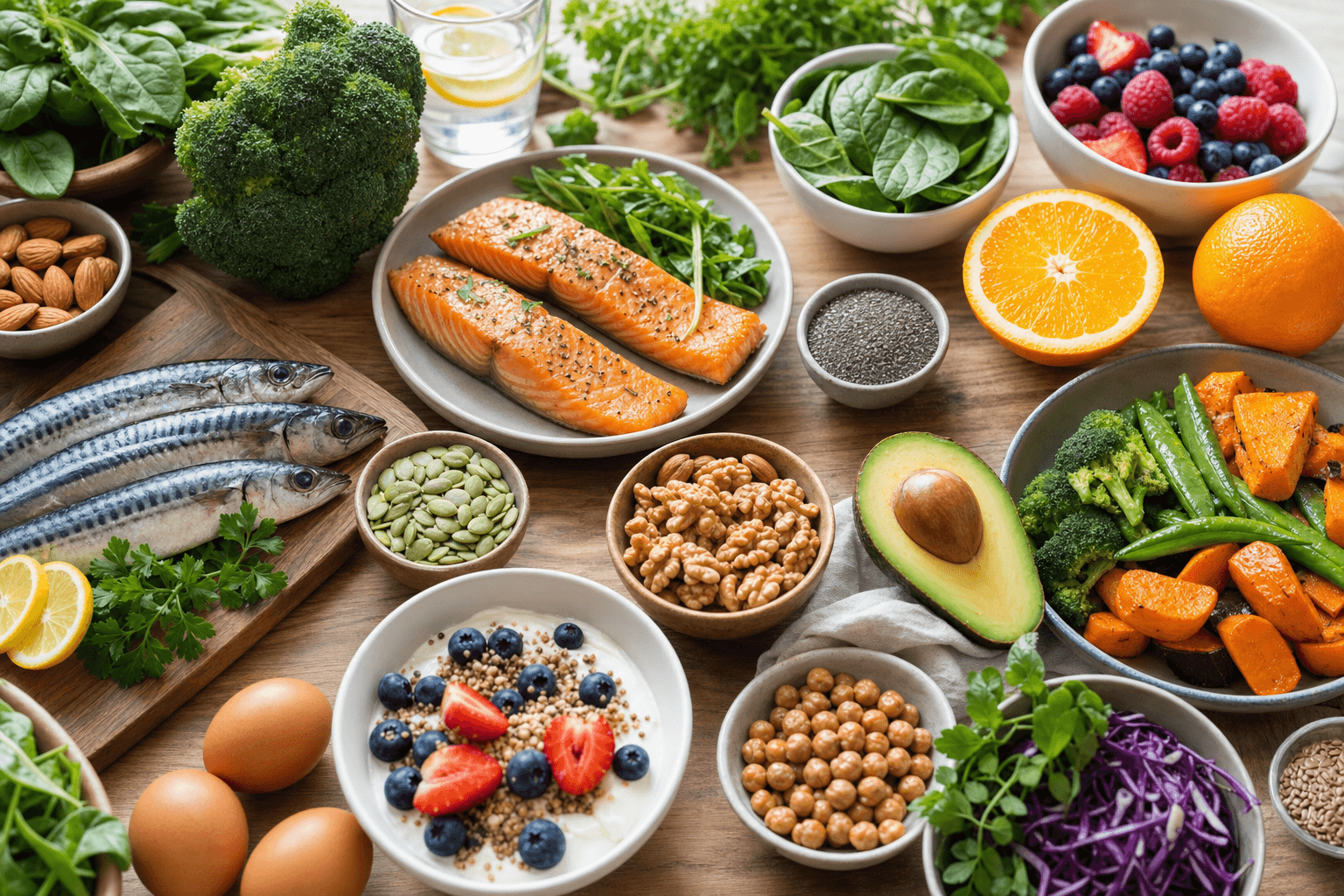
These three nutrients reward a food-first habit and a little personalisation. Build meals around fish, legumes, leafy greens, nuts and whole grains, get sensible daily sun, and you cover most of the ground naturally. This whole-diet thinking, where small consistent inputs protect long-term function, is at the heart of the Healthspan approach.
The practical takeaway is simple. Eat oily fish a couple of times a week, lean on lentils and greens for magnesium, and treat vitamin D as the one nutrient worth checking with a blood test if you are older or mostly indoors. Correct a genuine shortfall rather than stacking pills you may not need. Done consistently, these small choices quietly protect the bones, muscle, heart and brain you will want working well for decades to come.
Good nutrition is one part of a longer, healthier life. Explore the wider Healthspan health ecosystem.