Anti-Inflammatory Eating: Foods That Calm Chronic Inflammation
11 June 2026 · By Fresh.mu
Inflammation is not the enemy. It is the body's first responder, the heat and swelling that rush to a cut or fight off a virus. The problem is when that response never switches off. Chronic, low-grade inflammation simmers quietly for years, and we now understand it as a shared root of heart disease, type 2 diabetes, many cancers, and the slow stiffening of joints and arteries that we call ageing. The encouraging news is that what sits on your plate is one of the most powerful levers you have to turn that simmer down.
What Chronic Inflammation Actually Is
Acute inflammation is loud and brief. Chronic inflammation is the opposite: a faint, persistent activation of the immune system that you cannot feel. Doctors track it with markers such as C-reactive protein (CRP) and certain cytokines. Diets heavy in refined sugar, ultra-processed foods, industrial seed-oil excess, and red and processed meats tend to push these markers up. Diets rich in plants, fibre, and unsaturated fats tend to bring them down. No single meal makes or breaks this balance. It is the pattern, repeated over months and years, that matters.
The Foods That Calm
Think in colours and categories rather than chasing a single superfood.
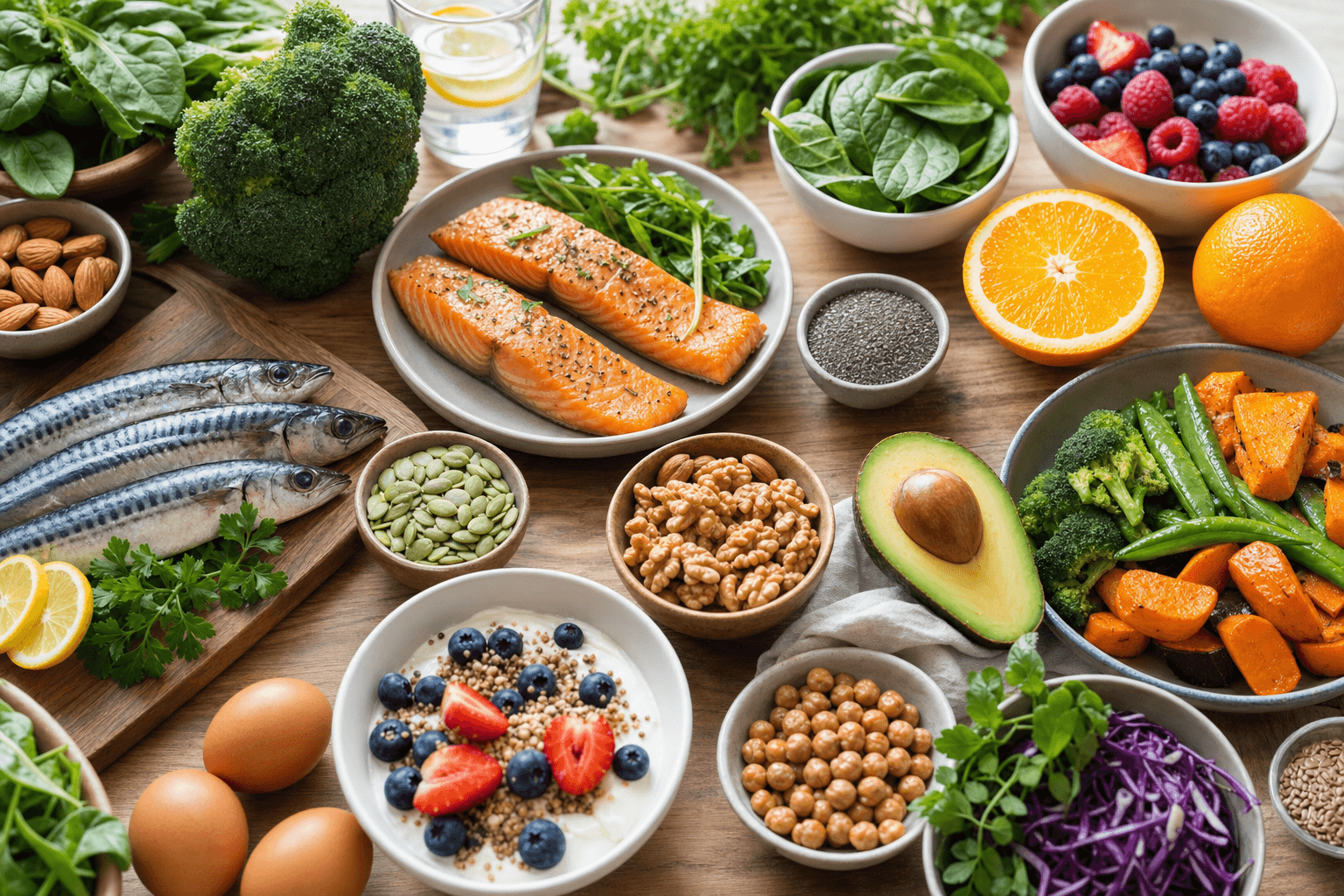
Oily fish such as tuna, mackerel, sardines, and the locally abundant fish at any Mauritian market deliver omega-3 fatty acids (EPA and DHA), which the body uses to produce resolvins, compounds that actively help shut inflammation down. Two to three servings a week is a sensible target.
Colourful fruit and vegetables carry polyphenols and antioxidants that counter oxidative stress. In Mauritius you are spoiled here: papaya, mango, guava, pineapple, leafy bredes, brinjal, and tomatoes are inexpensive and in season often. Aim to fill half your plate with them.
Extra virgin olive oil contains oleocanthal, which acts on the same pathway as ibuprofen, gently and over time. Use it as your everyday cooking and dressing fat.
Spices are quiet powerhouses. Turmeric (curcumin) and ginger, both staples of Mauritian and Indian cooking, have measurable anti-inflammatory effects, especially when turmeric is paired with a little black pepper and fat to aid absorption. Garlic, cinnamon, and fresh herbs add to the effect.
Nuts, seeds, and legumes provide fibre, magnesium, and plant protein. Lentils and dal, already woven into the local diet, are an easy daily win.
Green tea and, in moderation, dark chocolate and coffee all contribute beneficial polyphenols.
The Foods That Fan the Flames
Just as important is what you ease off. Sugary drinks and frequent refined carbohydrates (white bread, pastries, many packaged snacks) spike blood sugar and feed inflammatory pathways. Ultra-processed foods, the kind with long ingredient lists you cannot pronounce, are consistently linked to higher inflammatory markers. Processed meats such as sausages and deli meats, and a heavy reliance on fried and reheated oils, also push in the wrong direction. You do not need to banish these. The goal is to make them occasional guests rather than daily residents.
Patterns Matter More Than Single Foods
The most studied anti-inflammatory eating styles, the Mediterranean and traditional plant-forward diets, share a structure rather than a rulebook: lots of vegetables, fruit, whole grains, legumes, fish, and olive oil, with meat and sweets kept modest. A few principles travel well to any kitchen:
Eat the rainbow daily. Different colours signal different protective compounds, so variety beats repetition.
Favour whole over refined. Brown rice, oats, and whole-grain roti keep blood sugar steadier than their white counterparts.
Build meals around plants and add protein, rather than the reverse.
Choose fats wisely. More olive oil, nuts, and fish; less fried food and processed fat.
Mind your gut. Fibre-rich and fermented foods nourish the microbes that help regulate immune signalling, a thread that runs through the wider Healthspan approach to eating for a long, healthy life.
Lifestyle Multiplies the Effect
Food does not work alone. Poor sleep, chronic stress, a sedentary day, and excess body fat (especially around the abdomen) all raise inflammation independently. A short daily walk, seven to eight hours of sleep, and managing stress through movement or time outdoors amplify everything you achieve on the plate. In Mauritius, the warm climate and access to the sea and trails make regular activity genuinely easy to build in.
A Realistic Mauritian Day
Breakfast might be oats with papaya, a few nuts, and cinnamon. Lunch could be dal with brown rice, a generous side of bredes or rougaille made with plenty of tomato and onion, finished with green tea. An afternoon snack of guava or a small handful of almonds keeps energy steady. Dinner brings grilled local fish, brinjal and beans cooked in olive oil with garlic and ginger, and fresh fruit to close. Across the day, water and unsweetened drinks replace soft drinks. Nothing here is exotic or expensive, which is precisely the point.
The Takeaway
Calming chronic inflammation is not about a detox or a supplement. It is the steady, ordinary accumulation of better choices: more plants, more fish, more good fats and spices, fewer sugary and ultra-processed foods, all supported by sleep, movement, and stress care. Start with one meal a day this week, build from there, and let consistency do the slow, protective work over the years that follow.
Good nutrition is one part of a longer, healthier life. Explore the wider Healthspan health ecosystem.