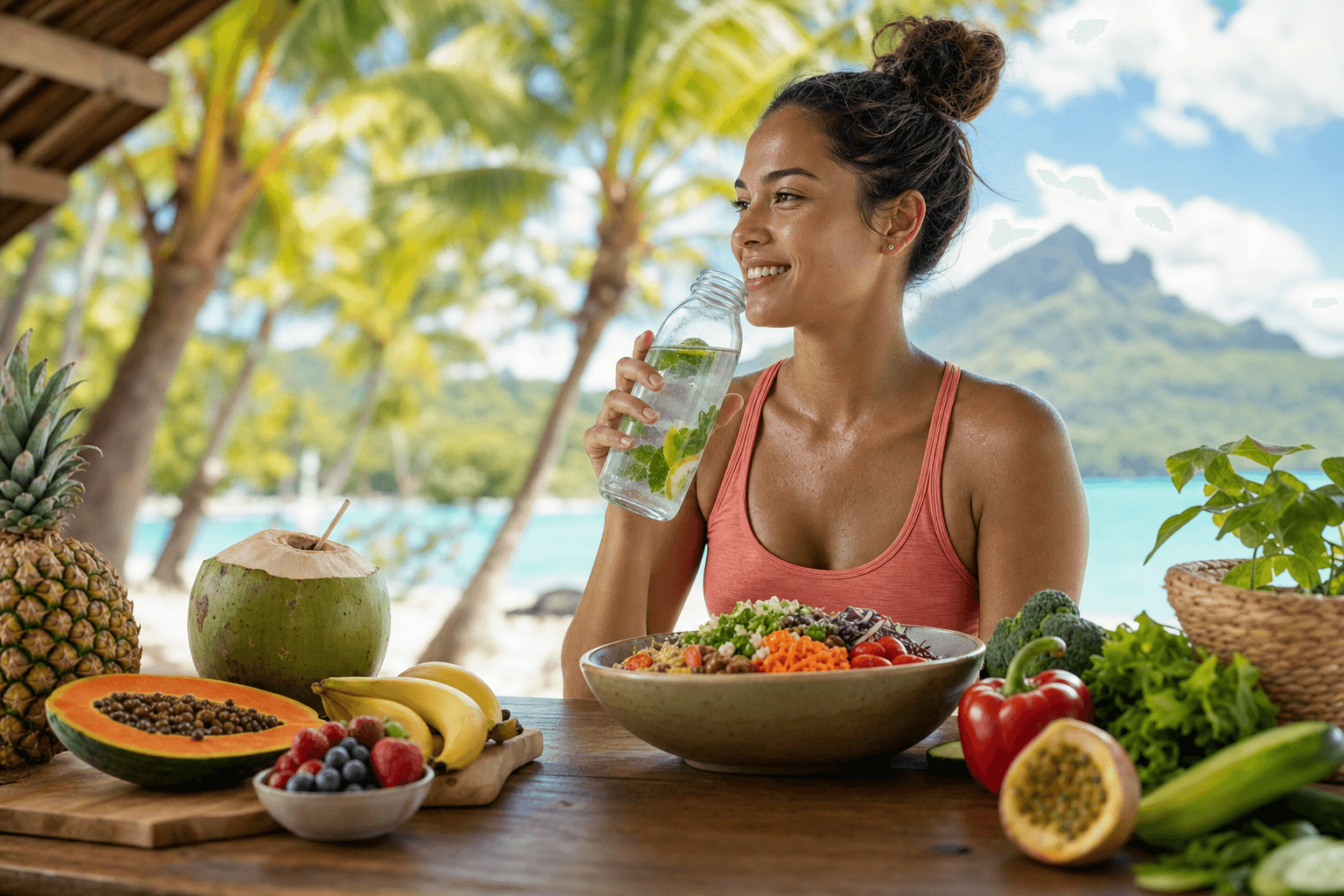
If you run along the coast at Flic en Flac, train at the gym in Quatre Bornes, or simply work through a humid afternoon in Port Louis, hydration is doing quiet, constant work in the background. Water is not a wellness afterthought. It is the medium in which your metabolism happens, the coolant that keeps you safe in the heat, and one of the most underrated levers for sharp thinking and strong performance. In a tropical climate like ours, getting it right matters more than most people realise.
Why Tropical Heat Changes the Equation
Mauritius is warm and humid for much of the year, and humidity is the part people underestimate. When the air is already saturated with moisture, sweat evaporates poorly, so your body produces more of it to try to cool down. The result is that you can lose fluid quickly without obvious sweating, especially during the summer months from November to April. Add physical activity and you have a recipe for sneaky, accumulating dehydration.
This is not a niche problem. Analysis of large population data found that around 60 percent of people do not meet basic water intake guidelines, and a meaningful share of healthy young adults are mildly dehydrated on any given day. In a hot, active setting those numbers only get worse.
Hydration and the Thinking Brain
The most surprising research finding is how little fluid loss it takes to dull your mind. A body water deficit of just 1 to 2 percent, the kind you can reach before you even feel properly thirsty, measurably impairs attention, working memory, executive function and mood. For a student revising, a driver on a long road, or anyone doing focused work in a warm office, that is a real cost.
The reassuring flip side is that this is reversible. Studies show that simply restoring fluids improves fatigue, short term memory, attention and reaction time. Hydration is one of the cheapest cognitive interventions available, and it works within hours.
What Smart Hydration Looks Like Through the Day
The headline number you often hear is around 2 to 2.5 litres of total fluid per day for adults, but that figure shifts upward in heat and with exercise. Rather than chasing a single target, build steady habits.
- Start hydrated. Drink a glass of water on waking, before coffee or tea, to replace overnight losses.
- Sip across the day rather than gulping large volumes at once, which the body mostly passes through.
- Use thirst as a signal but not your only one. The colour of your urine is a practical gauge. Pale straw is the goal, while dark yellow means catch up.
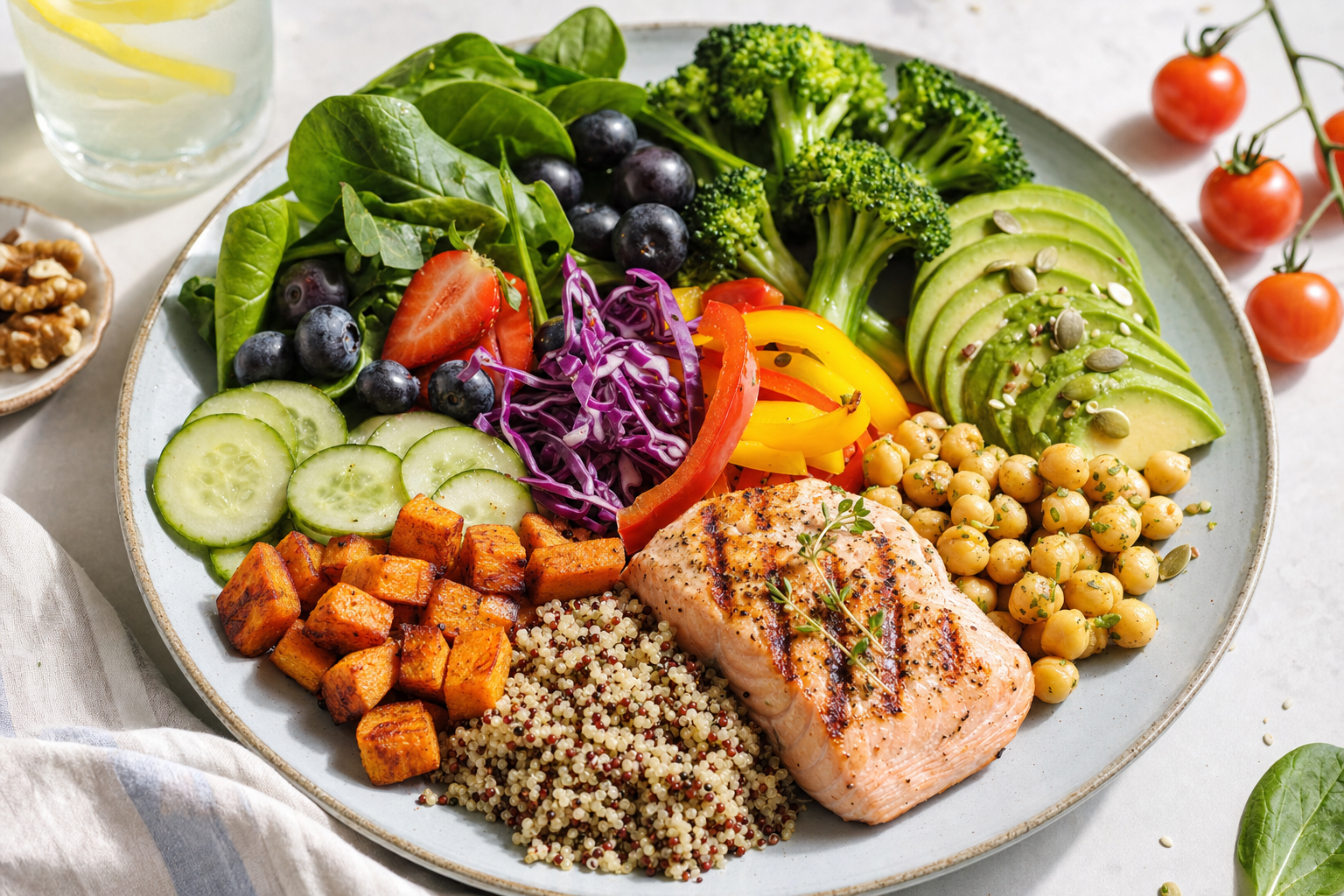
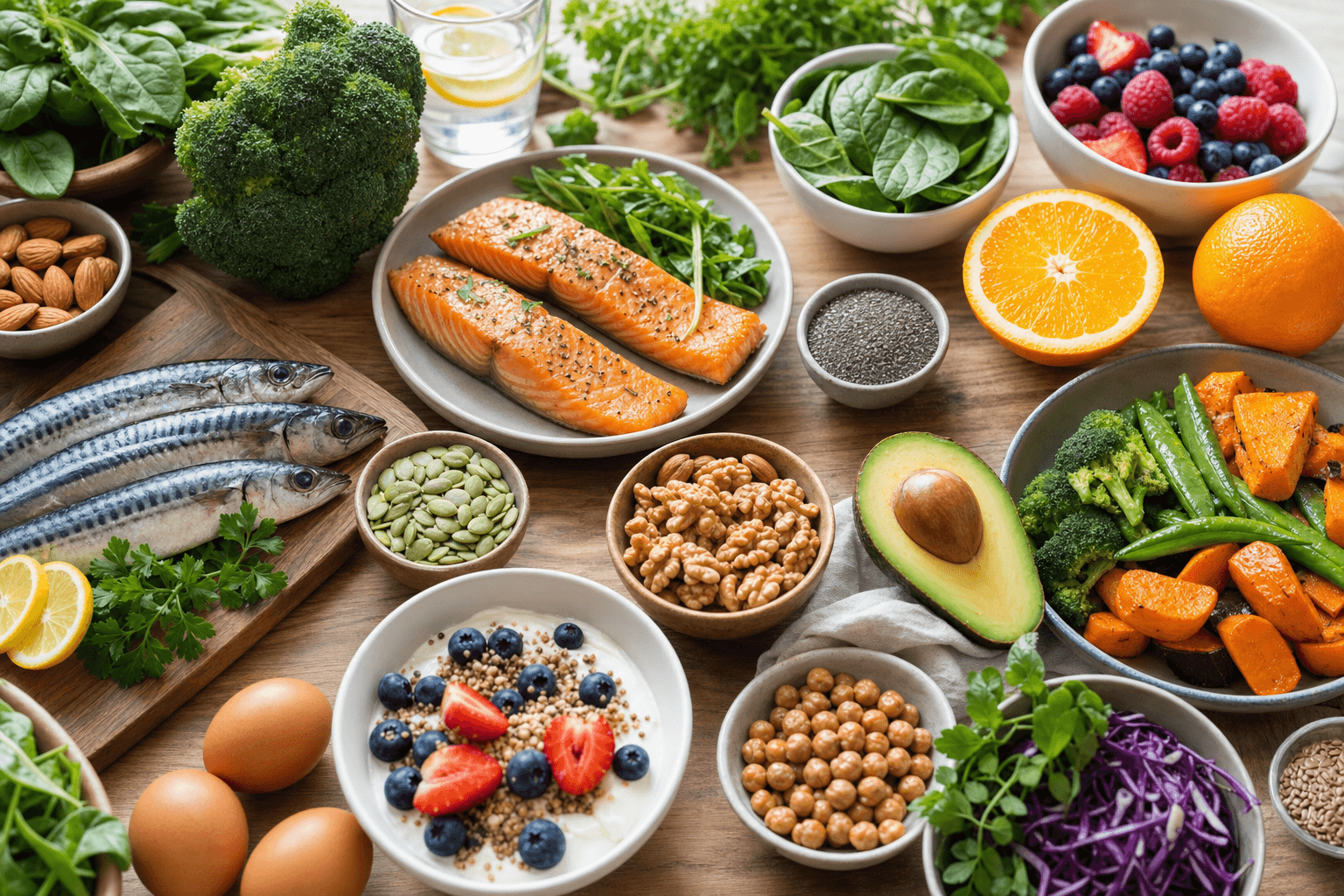
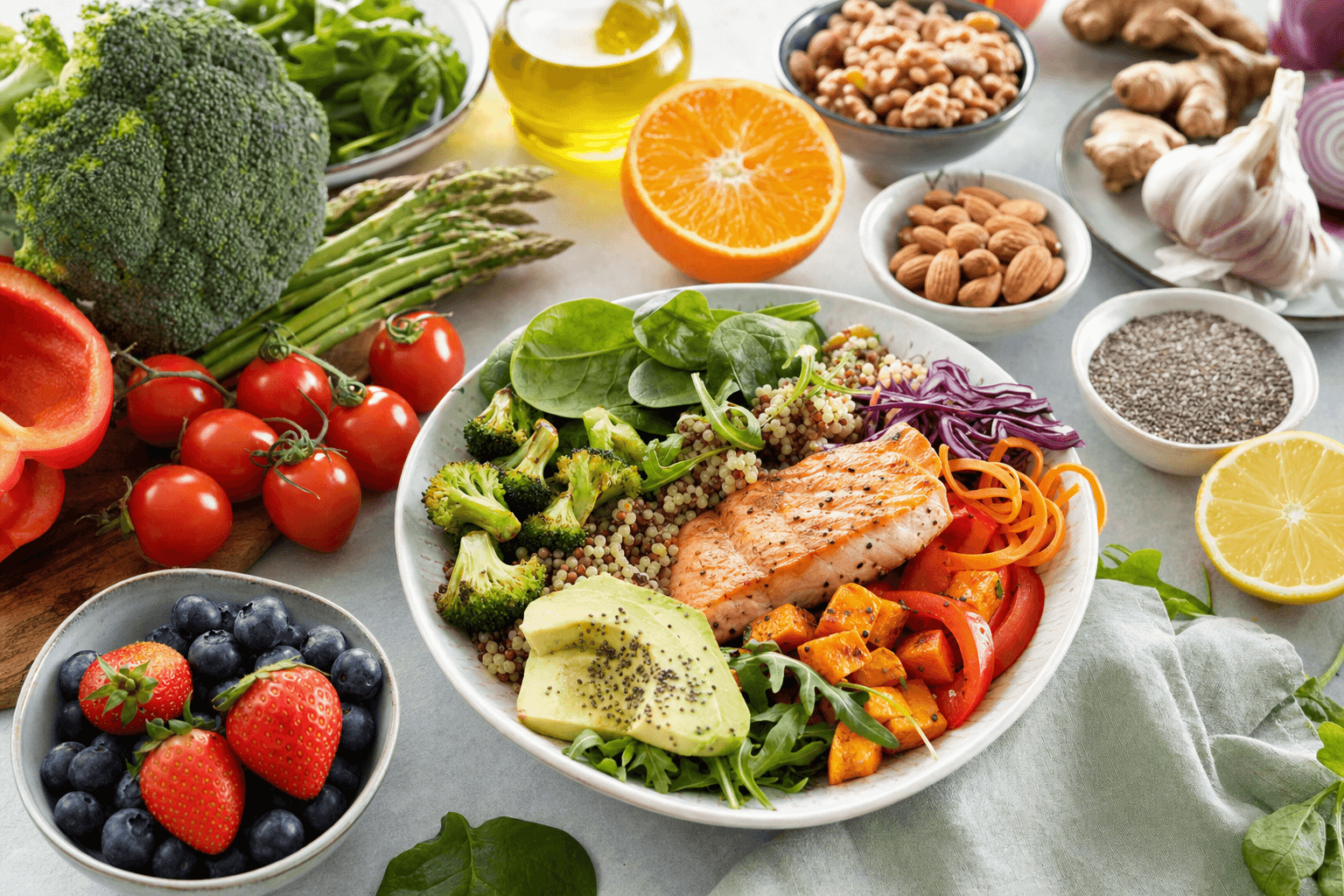
- Remember that food counts. Water rich local produce such as watermelon, cucumber, pineapple, tomato, citrus and leafy greens contributes meaningfully to daily intake while delivering fibre and micronutrients.
Electrolytes, Not Just Water
When you sweat heavily in tropical heat, you lose more than water. You lose sodium, potassium and other electrolytes that keep nerves firing and muscles contracting. Drinking large amounts of plain water alone after heavy sweating can occasionally dilute blood sodium and leave you feeling worse, not better.
For everyday activity, ordinary food handles this well. Salt on a balanced meal, a banana, dholl, beans, yoghurt and vegetables replace what light sweating costs. For longer or more intense sessions, especially anything beyond about an hour in the heat, a drink containing both carbohydrate and sodium helps you absorb and retain fluid more effectively than water alone. You do not need an expensive sports drink. A pinch of salt and a little fruit juice or honey in water does a similar job. Coconut water, widely available here, is a pleasant natural option that supplies potassium, though it is light on sodium.
A Practical Plan for Active People
For training and sport in our climate, timing helps as much as total volume.
- Before. Drink roughly 400 to 600 ml of fluid in the two to three hours before exercise so you start topped up rather than playing catch up.
- During. For sessions under an hour, water is usually enough. For longer or hotter efforts, aim for regular small sips and include some sodium and carbohydrate.
- After. Replace what you lost. A useful guide is to drink about 1.25 to 1.5 litres for every kilogram of body weight dropped during a session, alongside a recovery meal that includes carbohydrate, protein and salty foods.
Schedule the hardest training for early morning or evening when temperatures and humidity ease, and never treat thirst during exercise as your first warning. By then you are already behind.
Watching for Heat Stress
Smart hydration is also a safety practice. Warning signs of heat illness include dizziness, headache, nausea, muscle cramps, a racing heart and confusion. If these appear, stop, move to shade, cool down and rehydrate with an electrolyte containing drink. Children and older adults are more vulnerable because their thirst signals and temperature regulation are less reliable, so encourage them to drink on a schedule during hot days rather than waiting to feel thirsty.
Bringing It Together
Hydration sits inside a bigger picture of daily choices that compound over decades, the same evidence based, prevention first thinking behind the broader Healthspan approach to living well in Mauritius. You do not need gadgets or elaborate routines. Keep a refillable bottle within reach, lean on water rich local foods, add a little salt and carbohydrate around long or hot efforts, and check your urine colour as a simple daily readout.
The practical takeaway is this. In a tropical climate, hydrate before you are thirsty, salt your fluids when you sweat hard, and treat water as a tool for both performance and clear thinking. Done consistently, it is one of the simplest, highest return habits you can build for an active life under the Mauritian sun.
Good nutrition is one part of a longer, healthier life. Explore the wider Healthspan health ecosystem.