Intermittent Fasting: Practical Tips for Beginners to Enhance Metabolic Health
14 February 2026 · By Fresh.mu

Understanding Intermittent Fasting
Intermittent fasting (IF) has emerged as a popular approach to improve metabolic health and promote longevity. This eating pattern, rather than focusing on what you eat, emphasizes when you eat. By cycling between periods of eating and fasting, IF aims to optimize metabolic functions, manage weight, and potentially extend healthspan.
Scientific interest in intermittent fasting has grown significantly. Studies suggest that it can improve metabolic markers, reduce inflammation, and even enhance brain health. A 2019 review published in the New England Journal of Medicine highlighted the benefits of IF for metabolic health, including improved insulin sensitivity, lower blood pressure, and reduced cholesterol levels.
Types of Intermittent Fasting
As a beginner, it’s important to choose a fasting method that aligns with your lifestyle. Here are some popular types of intermittent fasting:
16/8 Method: This involves fasting for 16 hours and limiting your eating window to 8 hours each day. This is one of the most popular and sustainable methods.
5:2 Diet: This approach allows you to eat normally for five days a week, while restricting calorie intake to 500-600 calories on the other two days.
Eat-Stop-Eat: Involves fasting for a full 24 hours once or twice a week.
Alternate-Day Fasting: You alternate between days of normal eating and days where you significantly restrict calories.
Each method has its own set of benefits and challenges. It’s crucial to experiment and find what works best for your body and lifestyle.
Benefits of Intermittent Fasting for Metabolic Health
Intermittent fasting can influence several metabolic processes:
Improved Insulin Sensitivity: IF can help lower insulin levels and improve insulin sensitivity, reducing the risk of type 2 diabetes. Research published in the journal Cell Metabolism found that intermittent fasting can enhance the body's ability to manage blood sugar levels.
Increased Human Growth Hormone (HGH) Levels: During fasting, HGH levels can increase significantly, promoting fat loss and muscle gain.
Cellular Repair Processes: Fasting triggers autophagy, a process where cells remove damaged components, potentially reducing the risk of certain diseases.
Increased Fat Burning: The body switches its energy source from glucose to fats during fasting, which can help in weight management.
Reduced Inflammation: IF has been shown to reduce markers of inflammation, which are key drivers of many chronic diseases.
Practical Tips for Getting Started
Starting intermittent fasting can seem daunting, but with these practical tips, you can ease into it:
Start Slow
If you're new to fasting, start with a 12-hour fasting window and gradually increase it as your body adapts. This approach allows your body to adjust without feeling overwhelmed.
Stay Hydrated
Drink plenty of water and herbal teas during fasting periods to stay hydrated. Proper hydration helps manage hunger and supports metabolic processes.
Focus on Nutrition
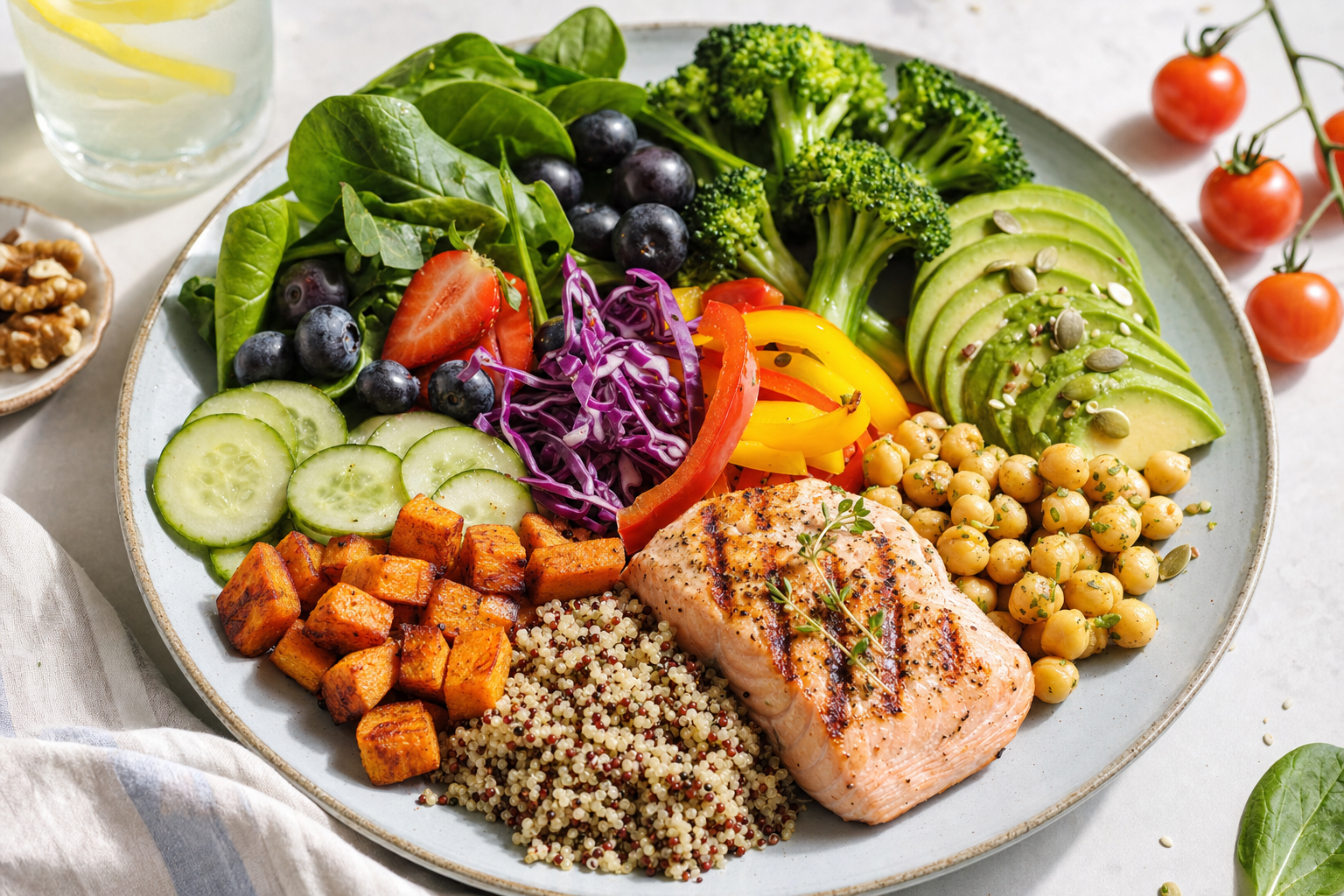
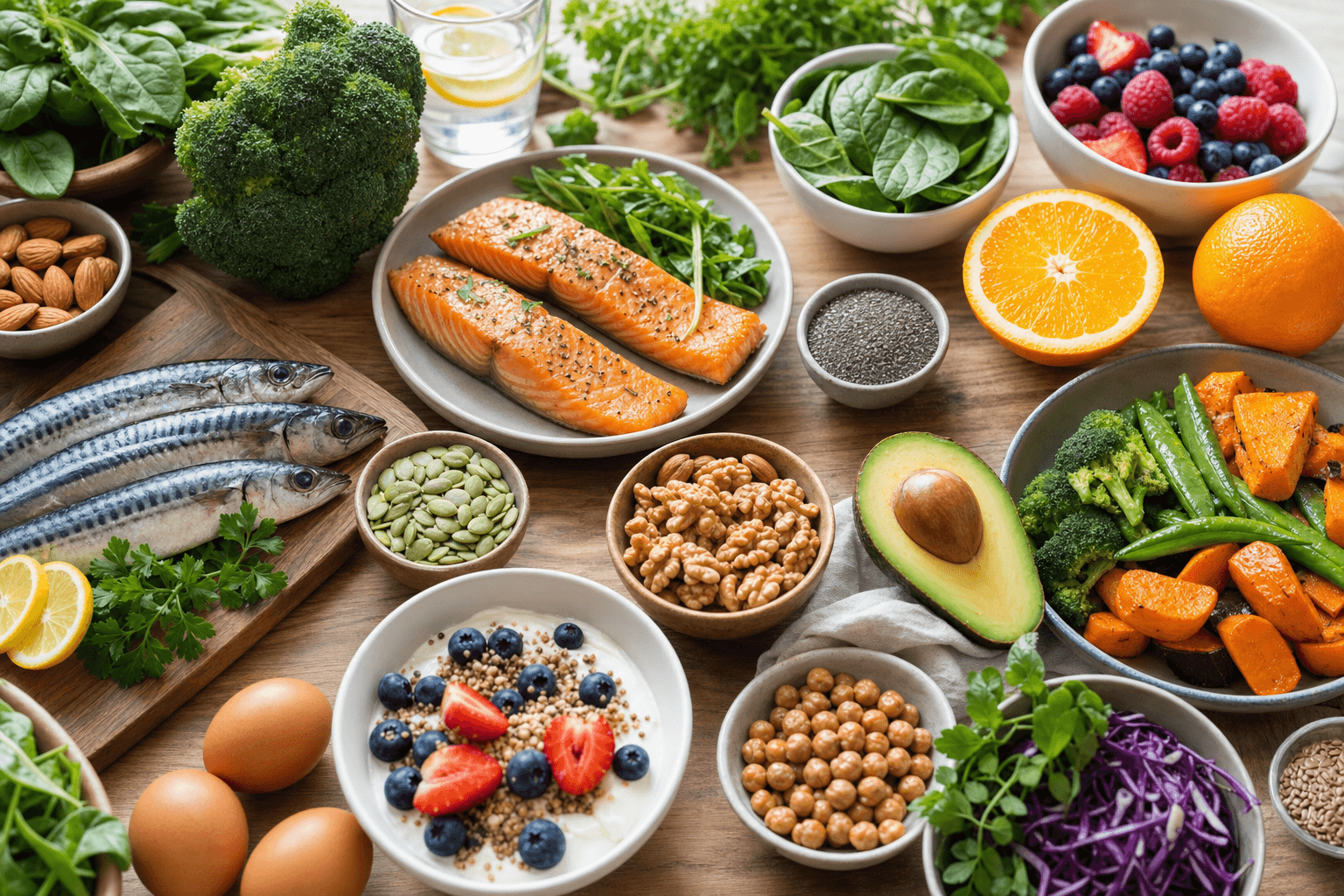
When you're not fasting, prioritize nutrient-dense foods. A balanced diet rich in whole grains, lean proteins, healthy fats, fruits, and vegetables will enhance the benefits of fasting.
Listen to Your Body
Pay attention to how your body responds to fasting. It's normal to feel hungry initially, but if you experience dizziness, fatigue, or other adverse effects, consider adjusting your fasting routine.
Monitor Your Progress
Using health monitoring devices can provide valuable insights into how your body is responding to intermittent fasting. Platforms like Healthspan.mu offer tools to track your metabolic health, ensuring you're on the right path.
Common Challenges and How to Overcome Them
Managing Hunger
Hunger is the most common challenge when starting IF. Drinking water, black coffee, or tea can help manage hunger pangs. Over time, your body will adapt, and hunger will become more manageable.
Social Situations
Navigating social events can be tricky. Plan your fasting schedule around these events, or practice mindful eating if you choose to break your fast.
Energy Levels
Some may experience a dip in energy levels initially. Ensure you're consuming enough calories and nutrients during your eating window to maintain energy.
Conclusion
Intermittent fasting is a powerful tool for enhancing metabolic health and supporting longevity. By understanding its principles and following practical tips, beginners can seamlessly incorporate fasting into their lifestyle. Remember, the key is consistency and listening to your body's needs.
As you embark on your intermittent fasting journey, equip yourself with patience and an open mind. Monitor your progress and make adjustments as needed. With time, you’ll likely experience the myriad benefits of this ancient practice, paving the way for a healthier, longer life.
Good nutrition is one part of a longer, healthier life. Explore the wider Healthspan health ecosystem.