Protein Across the Lifespan: How Much, Which Sources, and When
10 June 2026 · By Fresh.mu

Protein is the one macronutrient most people get wrong in opposite directions. Younger adults often eat far more than they need from processed sources, while older adults, who need it most, frequently fall short. Getting protein right is not about chasing high numbers. It is about matching your intake to your stage of life, choosing quality sources, and spreading it sensibly through the day so your body can actually use it.
What Protein Actually Does
Protein supplies the amino acids your body uses to build and repair muscle, enzymes, hormones, immune cells and the structural framework of nearly every tissue. Unlike fat and carbohydrate, the body has no dedicated protein store to draw on, so a steady daily supply matters. Of the twenty amino acids, nine are essential, meaning you must get them from food. This is why source quality, not just quantity, shapes how well your body responds.
Protein also has a useful metabolic side effect. It is the most satiating macronutrient and has the highest thermic effect, meaning your body burns more energy digesting it than it does with carbohydrate or fat. For anyone managing weight or blood sugar in a country where diabetes affects roughly one in five adults, that satiety advantage is genuinely valuable.
How Much You Need at Each Stage
The official baseline of 0.8 grams per kilogram of body weight per day is a floor designed to prevent deficiency, not an optimum for thriving. Current evidence supports adjusting it across the lifespan.
Children and teenagers need protein to fuel rapid growth and development, and they generally meet their needs when meals include eggs, dairy, fish, legumes or meat. Healthy adults do well in the range of 1.0 to 1.2 grams per kilogram, with the higher end suiting those who are active or trying to preserve lean mass during weight loss.
Older adults are the group most often underserved. From around age sixty, the body becomes less responsive to dietary protein, a phenomenon called anabolic resistance. Roughly thirty percent of people over sixty already show signs of sarcopenia, the progressive loss of muscle, rising to more than half of those over eighty. Guidelines now recommend 1.0 to 1.2 grams per kilogram for healthy seniors and 1.2 to 1.5 grams for those who are unwell or recovering. Athletes and very active people often benefit from 1.4 to 2.0 grams per kilogram to support training and recovery.
A simple way to picture this: a moderately active 70 kilogram adult is aiming for roughly 84 to 100 grams a day, while a 70 kilogram senior wanting to protect muscle should treat that upper figure as the starting point.
Choosing Quality Sources in Mauritius
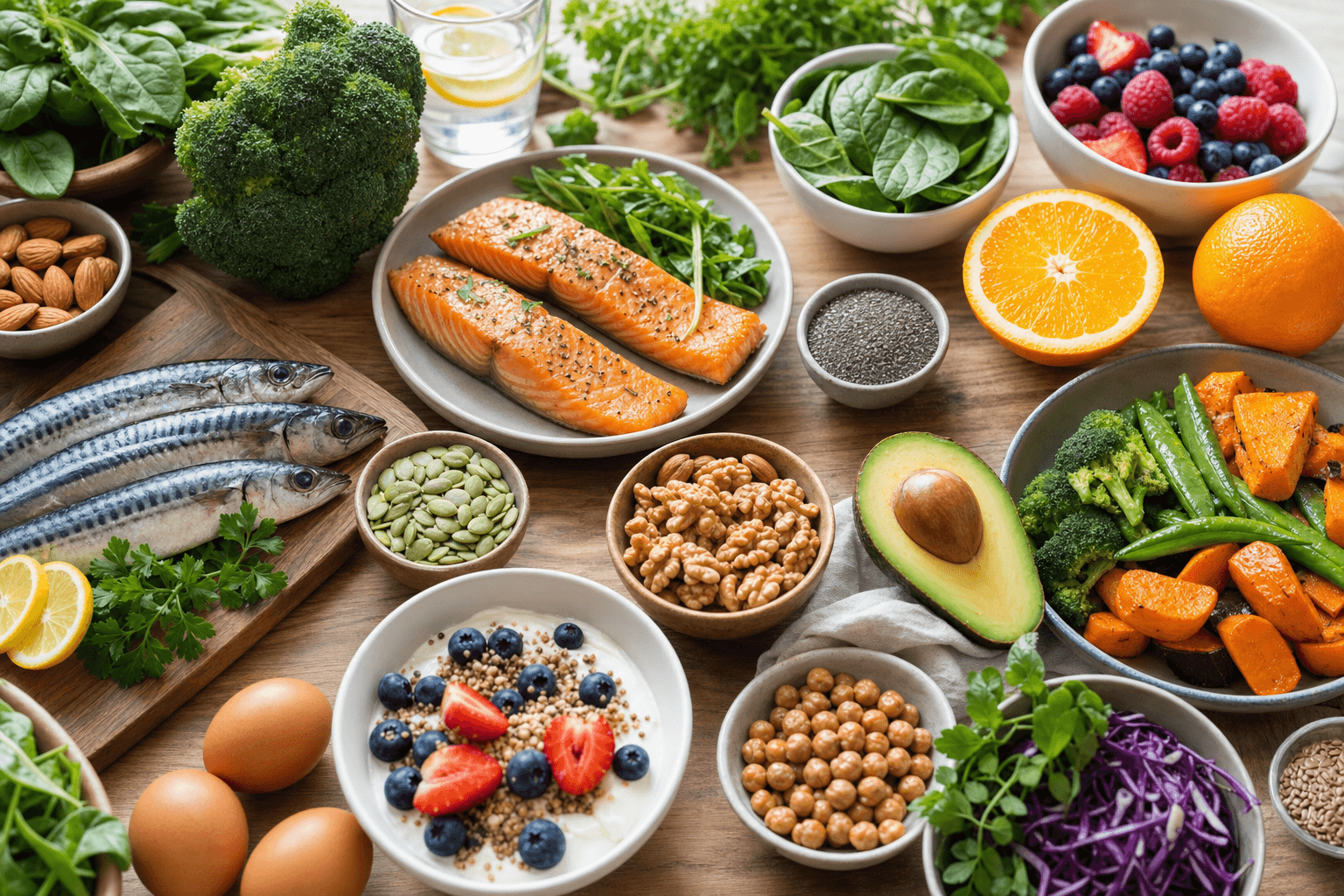
Animal sources such as eggs, fish, chicken, dairy and lean meat provide all nine essential amino acids in one package and are especially rich in leucine, the amino acid that most strongly triggers muscle building. Mauritius has an obvious advantage here: fresh fish is abundant, and oily varieties like tuna and mackerel deliver protein alongside omega-3 fats that support heart and brain health.
Plant sources are excellent too, and the local kitchen already leans on the best of them. Lentils (dal), red beans (haricots rouges), chickpeas and butter beans are staples in Mauritian cooking, and pairing them with rice or roti creates a complete amino acid profile across the day. You do not need to combine them in the same meal. Eating a variety of legumes, grains, nuts and seeds over the course of a day covers your needs. A diet built largely on plant proteins, with modest fish and eggs, mirrors the dietary patterns seen in the world's longest-lived populations.
A practical caution: many convenient high-protein products are ultra-processed. Whole foods deliver protein wrapped in fibre, minerals and beneficial fats, which is exactly the synergy that supplements and bars cannot replicate.
Timing: Spread, Do Not Stack
Most people eat very little protein at breakfast and a large amount at dinner. Research suggests the body uses protein more efficiently when it is distributed across meals, with roughly 25 to 40 grams per sitting providing enough leucine to stimulate muscle repair. Three or four protein-containing meals beat one big evening load, and this matters more with age because older muscle needs a slightly larger per-meal dose to respond.
For active people, eating quality protein within a few hours around training supports recovery, and combining it with carbohydrate after exercise helps replenish energy stores. The total amount you eat across the day still matters most, but sensible spacing is a low-effort upgrade. A protein-rich breakfast such as eggs, yoghurt or a lentil dish also steadies appetite and blood sugar for hours afterward.
Protein and Longevity
The longevity picture is nuanced. Adequate protein protects against sarcopenia, frailty and falls, which are major drivers of lost independence in later life. At the same time, the populations with the greatest longevity tend to favour plant proteins and moderate rather than excessive animal intake. The takeaway is not to maximise protein at all costs but to secure enough of it, lean toward plants and fish, and pair it with resistance exercise, which is what actually converts dietary protein into lasting strength. This balanced, whole-food approach sits at the heart of the broader Healthspan philosophy.
Putting It Into Practice
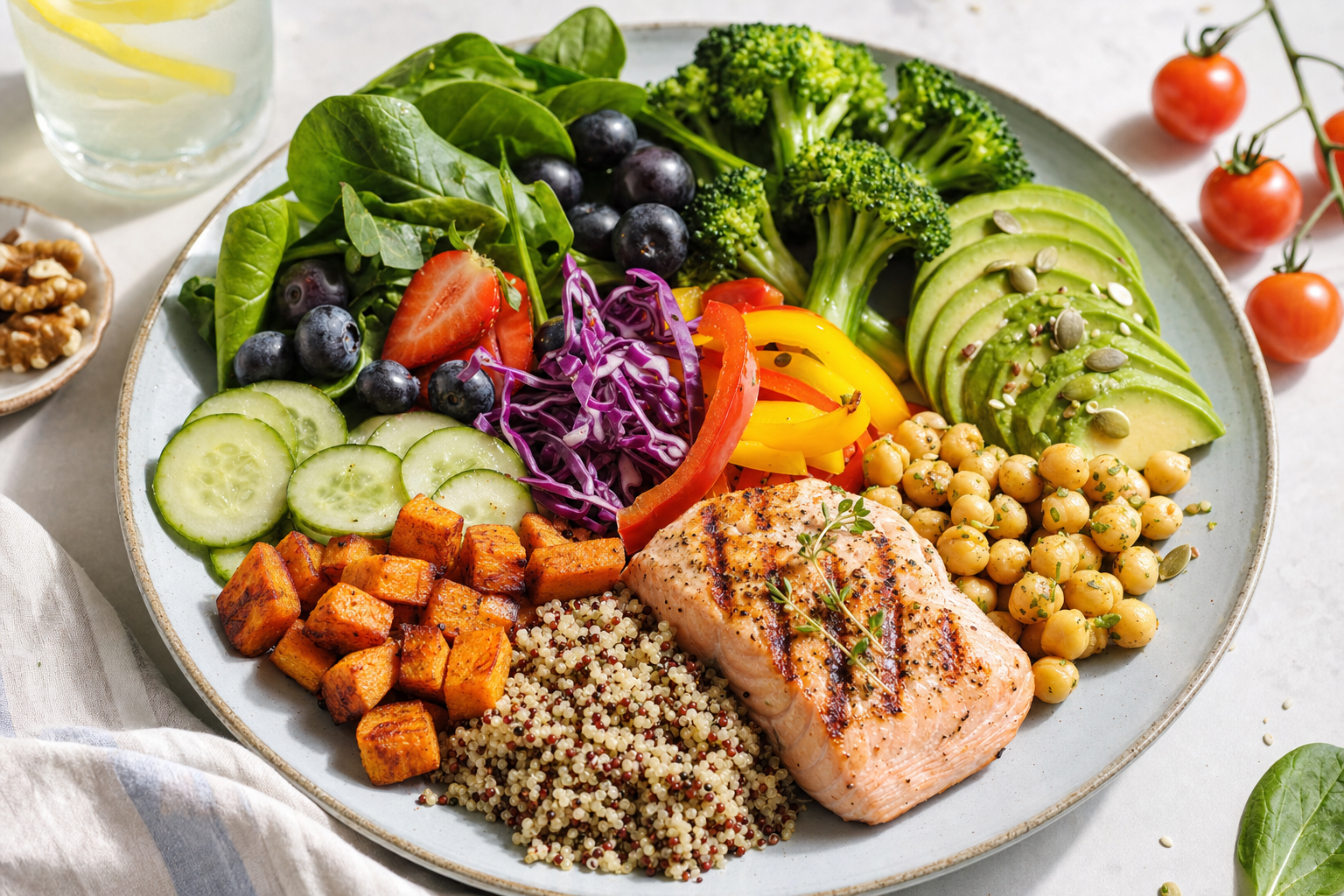
Aim for a palm-sized portion of quality protein at each main meal, anchor your breakfast with it, and favour fish, eggs, dairy and the legumes already in your pantry over processed shortcuts. If you are over sixty, treat protein as non-negotiable and combine it with regular movement. Get these basics right and protein quietly supports your muscle, your metabolism and your long-term health, decade after decade.
Good nutrition is one part of a longer, healthier life. Explore the wider Healthspan health ecosystem.